By Dhruv Manoj
Humanity has long relied on continuity and change to develop; from the discovery of fire to the Age of Enlightenment, progression has remained as the mainstay which spurred revolutions and brought the world to new heights. However, the world we live in today seems like a far cry from the idyllic visions of change we were led to believe in. We are shrouded in chaos and uncertainty, with unthinkable atrocities and unimaginable circumstances manifesting itself in the midst of one of the most devastating pandemics ever. The ideals of change and continuity seem to have evanesced into non-entity, and the future seems bleak. This damning revelation is one many youths across the world have arrived at over the past few years, with changing social norms, lifestyles and geopolitics contributing to the dreaded future we envision. At least, this is what many seem to believe looking at the current global situation.
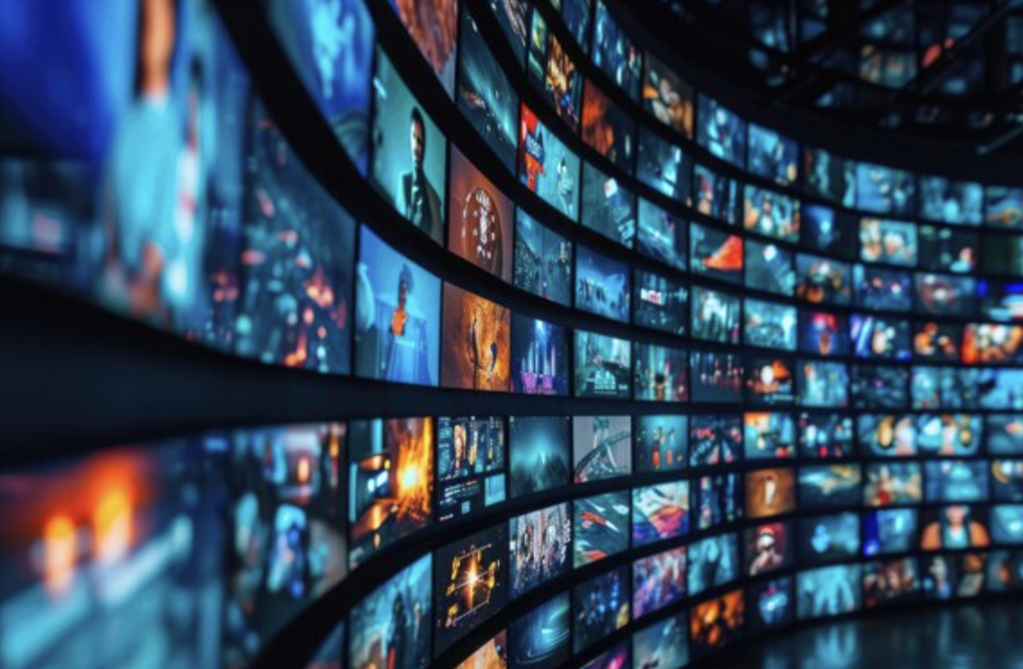
An obstinate pandemic, government coups, draconian restrictions, all seem to point to a chaotic disruption of world order. That is to some extent true, with major changes in the way we live transpiring from the pandemic. However, one does wonder how these images are constructed in the psyche, and how such techniques, once used to report and present seemingly objective truths, is now a vehicle for misinformation and deception.
Our culture today has developed a form of wariness to the phenomena of fake news, but this distrust does not stem from the recent surges in propagandistic right-wing news outlets or radical terrorist groups, but from a disillusionment with capitalism, more specifically ‘late capitalism’. This, referring to the post-WW2 period in the 1970s in the midst of the cold war, revealed to postmodernists the flaws in the democratic culture which was then glorified as the path to a bright future. The loss of confidence can be attributed to one particular effect of ‘late capitalism’: the subordination of reality and actual news to image manipulation. The representation of the true reality of a situation, through images is a sly form of narrativisation, as these can be orchestrated to put forth a certain narrative with certain implications. A more overt form of this narrativisation can be observed in the fake news articles we find online, with images used to seemingly support unfounded claims. With the advent of more powerful and capable technologies for manipulation, this crisis of the representation of reality becomes more pronounced, as it is easier to fall prey to fake news.
Now, how does this lead back to us as a society? The circumspection first experienced by postmodernists in the 1970s has, through continuous repetition, implanted itself into the public’s psyche today. People are told to be wary of the content they see online, and are much more suspicious of the news and information they get online. However, this wariness does not guarantee the truth. We have to be more critical of the news sources we read and learn to discern the absence of truth in the information we consume.
Disclaimer: All views and opinions expressed belong solely to the author and do not necessarily reflect the views of any other organization, agency or institution that the author may be affiliated with. All content by the author is opinion and is not intended to malign any religion, ethnic group, organisation or individual that may have been mentioned.
As of 15 June 2021
Sources
- World Health Organization – WHO Director-General’s opening remarks at the media briefing on COVID-19 (11 March 2020)
- UN News – Security Council calls for release of Aung San Suu Kyi after Myanmar coup (4 February 2021)
- Britannica – Jean Baudrillard
- Stanford University – Jean Baudrillard, Simulacra and Simulations (excerpt)
- New Left Review – Fredric Jameson, Postmodernism, or the Cultural Logic of Late Capitalism (July–August 1984)
- Verso Books – Ernest Mandel, Late Capitalism
- Reuters Institute for the Study of Journalism – Digital News Report 2025: overview and key findings (17 June 2025)


Leave a Reply